How to Fill Your Bar on Weeknights by Building Repeat Habits

If you are trying to figure out how to bring more guests to your bar on weeknights, do not start by giving away drinks or scheduling a different event every night. First identify which day needs help, then give people a clear reason to go out on that day. A well-run karaoke night can create participation, conversation, and a reason to return—but it needs a consistent offer and a simple operating plan.
On a weeknight, going out competes with work, fatigue, and other expenses. A generic happy hour may not be enough. Instead, make the experience easy to understand: Wednesday karaoke, a food special before a set time, and a welcoming atmosphere for both singers and people who would rather watch.
Choose one day and make a promise you can keep
Review sales by day and hour, occupancy, and average spend. You do not need sophisticated software to begin: compare a few weeks and note when the room is quiet. Pick one time slot to test. Trying to fix Monday, Tuesday, and Wednesday at once makes it harder to understand what worked and to deliver a good experience consistently.
Describe the offer from the guest’s point of view. “Karaoke starts at 8:30, the queue is organized, and each group gets a turn” is clearer than “special night.” Consistency matters. If you advertise karaoke every Wednesday, start on time and communicate changes ahead of time.
Build an offer that protects your margins
A good offer does not have to be a large discount. You might pair entertainment with a profitable food or drink option, or provide a limited benefit to guests who arrive early. Set the hours, terms, and maximum cost in advance. That helps prevent a busy night from producing strong sales but weak margins.
For an illustrative example, imagine a bar with 20 regular guests on a Wednesday and an average check of $18: that is $360 before costs. A test might aim to bring in 10 additional guests who spend an average of $15, without offering a discount that wipes out the margin. That would add $150 in gross sales before costs. This is not a forecast or guaranteed result; it is a simple way to assess whether the idea is worth repeating.
A step-by-step karaoke night example
Suppose Tuesday is the slowest night, so the bar tests karaoke for four Wednesdays. The team agrees on a three-hour format, an early-arrival offer, and one person responsible for the singer queue. Before promoting the event, review this step-by-step guide to setting up karaoke at a bar and decide who handles requests, hosts the show, and troubleshoots audio.
One week before: share the schedule, offer, and instructions for requesting songs. Use real photos of the venue and send the announcement to customers who have agreed to receive updates.
At opening: the host explains the rules in one sentence, invites the first groups to choose songs, and makes it clear that guests can enjoy the show without singing.
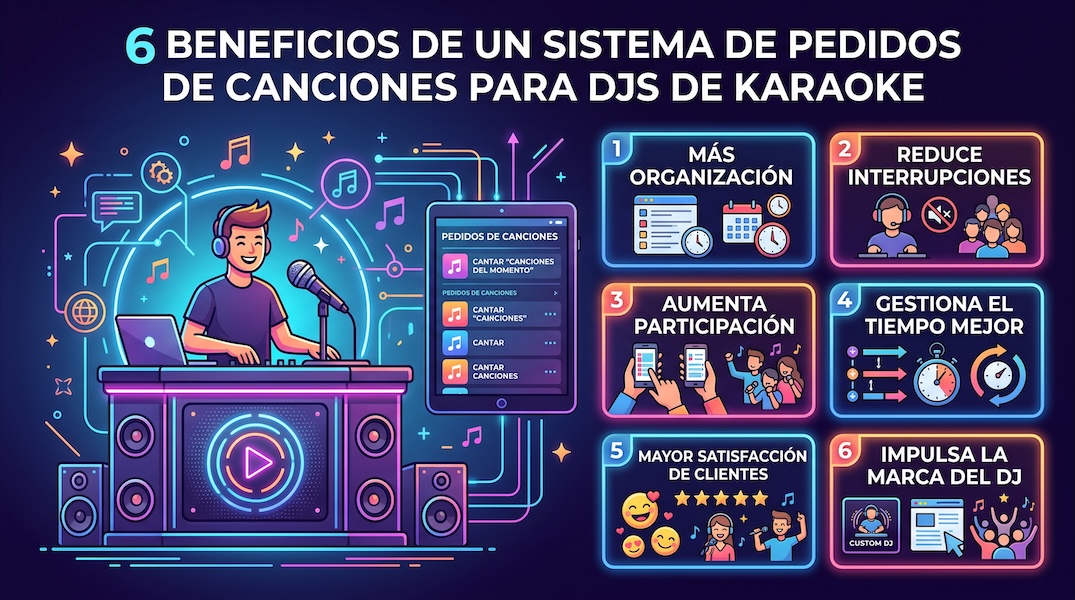
During the show: vary the music and keep the queue moving. Use a clear request process; a karaoke QR request system can reduce interruptions, provided the instructions are visible and there is another option for guests who do not want to use a phone.
At closing: thank the crowd, announce the next date, and give guests a specific reason to return, such as booking a table or joining a future theme night.
The next day, compare attendance, sales by hour, average spend, promotion costs, and how many guests asked about the next event. To interpret the results, see how to measure karaoke night success beyond sales. Keep what worked and change just one variable each week: the time, offer, or format.
Practical ways to attract weeknight guests
Ask current customers: find out which day works for them and what kind of experience would make them go out.
Promote in advance: share a specific invitation, not just a graphic saying “tonight.” Include the time, format, and how to book or request songs.
Make room for small groups: welcome coworkers, friends, and casual celebrations without turning every visit into a private event.
Keep the pace comfortable: start on time, avoid long pauses, and set the volume so guests can still talk.
Give people a next step: announce the next date and use an opt-in contact method for future updates.
Track more than attendance: record sales, costs, guest counts, and feedback. A full room is not automatically a profitable night.
Keep the operation manageable
The event should support your staff, not create an impossible second job. Assign responsibilities before opening and prepare for common problems: a missing track, a low microphone battery, or a queue delay. If the DJ or KJ is constantly interrupted to handle requests, the experience suffers. Tools such as Dj Link are one example of a virtual console and digital request queue, but technology cannot replace a welcoming host or a well-designed offer.
Frequently asked questions
Which night should I choose to attract more customers?
Start with a low-demand night that your team can serve well. Check your records and test one time slot for several weeks before changing days.
Do I need discounts to fill my bar?
No. Entertainment, a limited offer, and a consistent experience can add value without cutting prices across the board.
How long should I test a karaoke night?
Try several comparable dates and track attendance, sales, costs, and feedback. Change one variable at a time so you can learn what affected the result.
Want to bring this to your own karaoke night? See how Dj Link handles QR song requests, tips and the singer queue for DJs and venues — or keep reading in the Dj Link blog.